Summer Heat Safety Preventing Heat Illness During Peak Season
Understanding the Dangers of Extreme Heat As summer approaches, the anticipation of outdoor activities and vacations grows. However, the rising

INDEPENDENT SAFETY EDUCATION
Accident Safety explains common risks, prevention steps, emergency preparation, and responsible incident response across roads, homes, workplaces, products, and public spaces.
BROWSE BY TOPIC
Start with the environment, activity, or risk that matters to you. Each topic archive becomes a focused pathway to practical articles and checklists.
Safer decisions for drivers, riders, cyclists, pedestrians, and passengers.
Reduce common household risks and build safer routines for every age.
Understand common work hazards, prevention practices, and protective steps.
Plan safer activities in parks, events, schools, sports, and shared spaces.
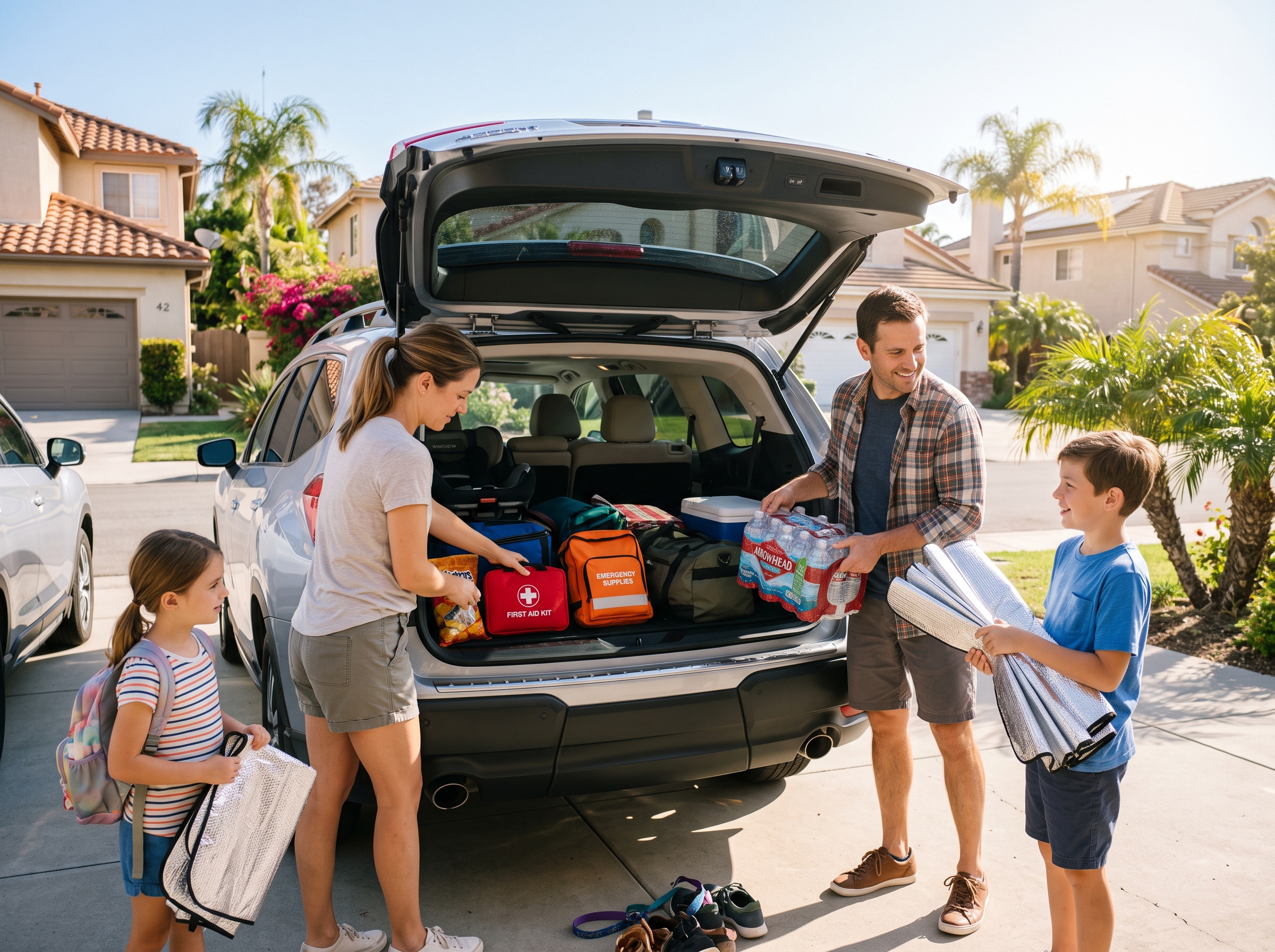
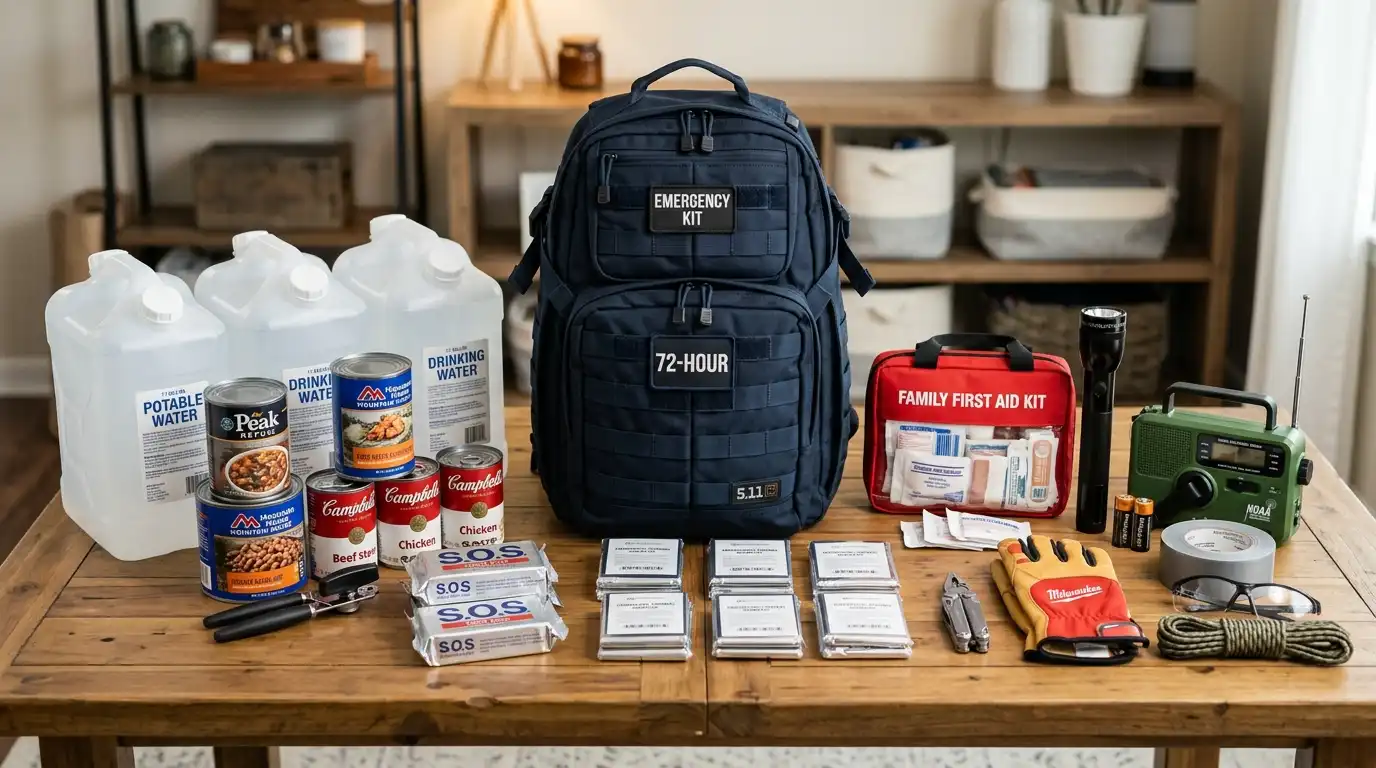
Prepare plans, supplies, and calm response steps before an emergency.
Use products, batteries, devices, and safety technology more responsibly.
Make sense of safety statistics, studies, trends, and research limits.
Prepare for changing weather, holidays, travel, and seasonal routines.
A SIMPLE READING PATH
Learn how an incident can happen, who may be more exposed, and which conditions increase risk.
Use practical prevention steps, safer routines, equipment checks, and planning guidance.
Know the first priorities, what information to verify, and when local authorities should guide the response.
LATEST ARTICLES
New articles should answer a clear safety question, cite primary sources, and give readers practical next steps.

Understanding the Dangers of Extreme Heat As summer approaches, the anticipation of outdoor activities and vacations grows. However, the rising

The Power of Data in Accident Prevention Every year, thousands of lives are lost on our roadways. While these tragedies

The Importance of Monitoring Product Safety Every year, thousands of items are pulled from store shelves due to safety concerns.
OUR EDITORIAL APPROACH
We prioritize guidance from recognized public agencies, standards bodies, and established research organizations. Articles should distinguish verified facts from general suggestions, explain uncertainty, and avoid claims the evidence does not support.
EVERYDAY PRACTICE
Pause when weather, lighting, traffic, equipment, or crowd behavior changes the risk.
A brief routine is easier to repeat and more useful than a long list that is rarely followed.
Children, older adults, new workers, and people with disabilities may need different safeguards.
Update plans when a route, product, workplace, family routine, or local instruction changes.