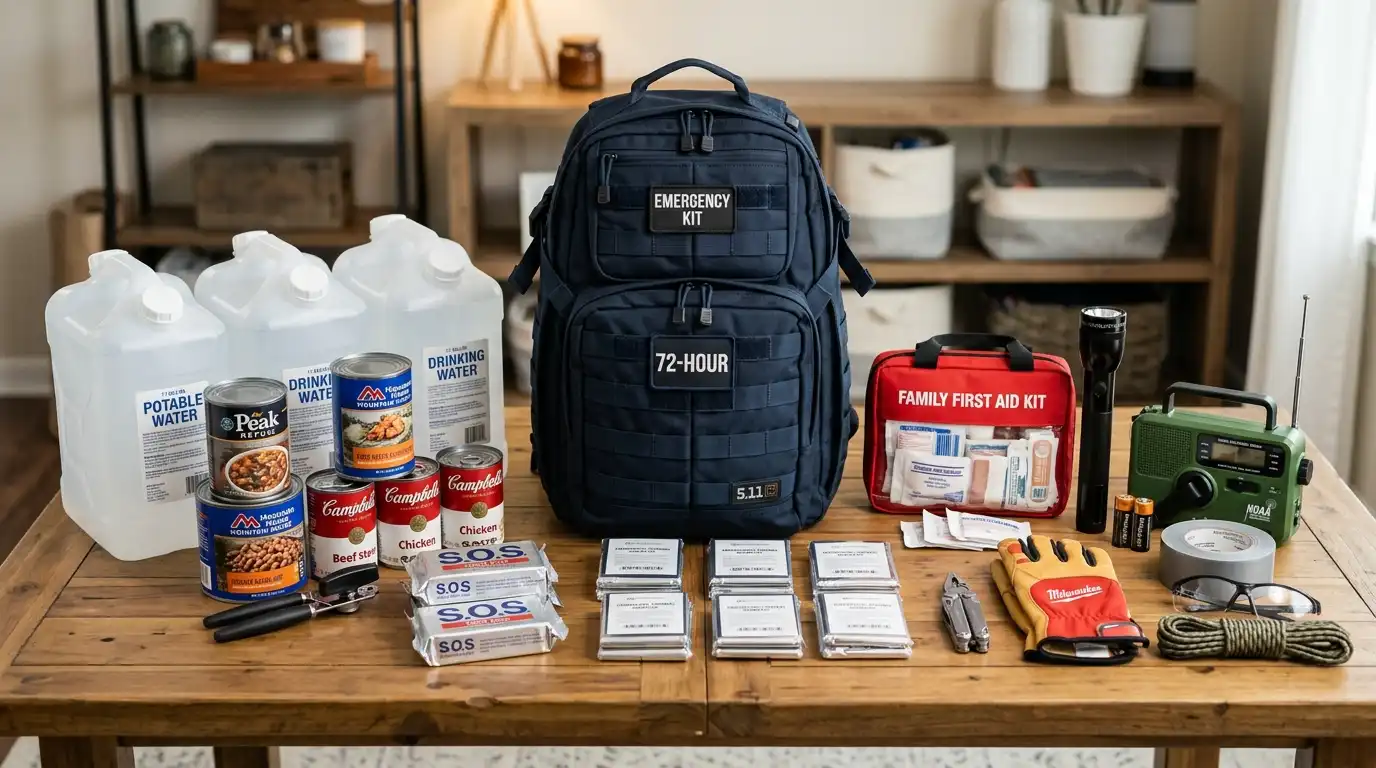
Building a 72-Hour Emergency Kit: The Ultimate Family Preparedness Checklist
When severe weather hits, power grids fail, or natural disasters strike without warning, the first 72 hours are critical. During

When severe weather hits, power grids fail, or natural disasters strike without warning, the first 72 hours are critical. During
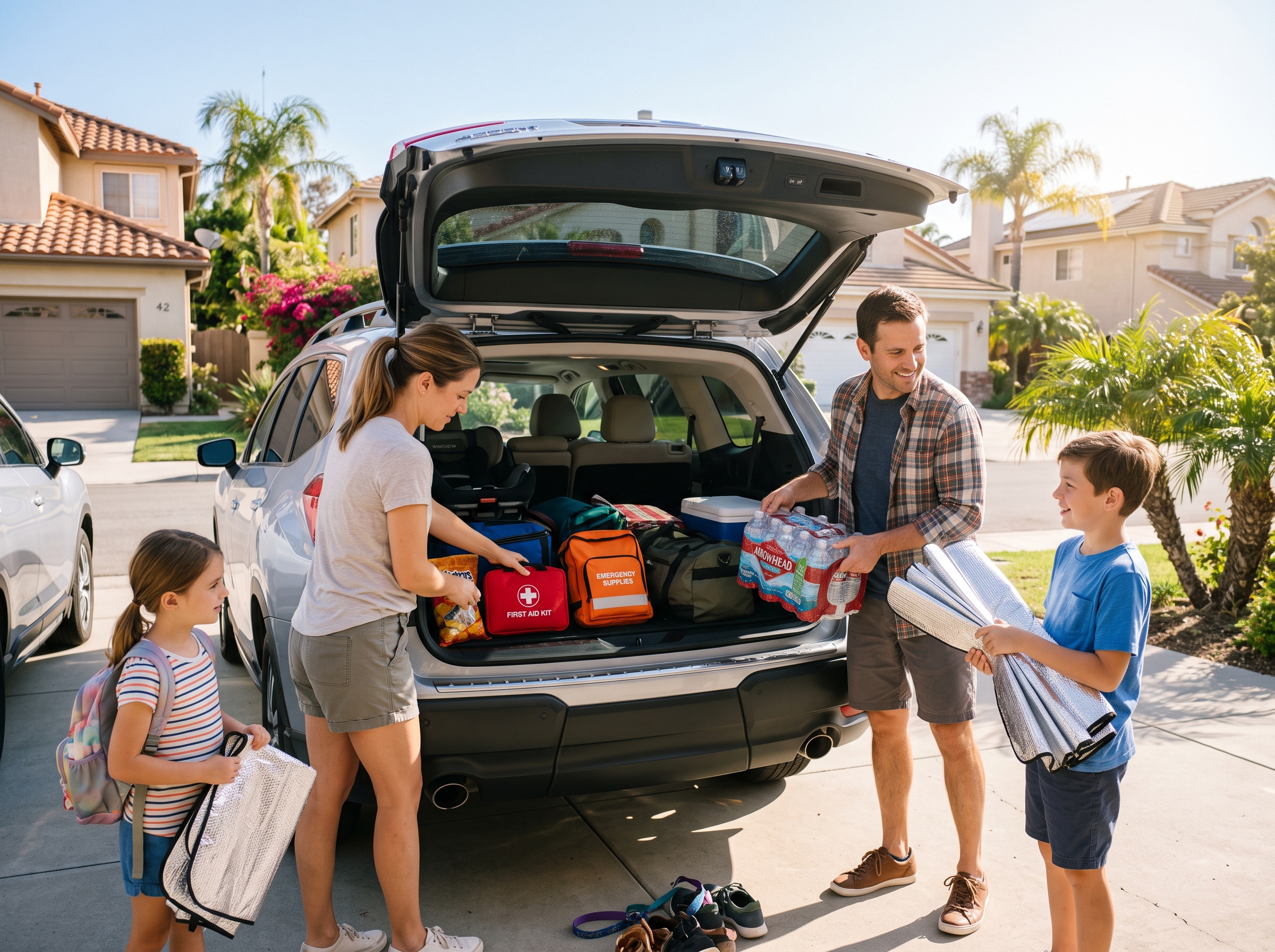
Understanding the Dangers of Extreme Heat As summer approaches, the anticipation of outdoor activities and vacations grows. However, the rising

The Power of Data in Accident Prevention Every year, thousands of lives are lost on our roadways. While these tragedies

The Importance of Monitoring Product Safety Every year, thousands of items are pulled from store shelves due to safety concerns.
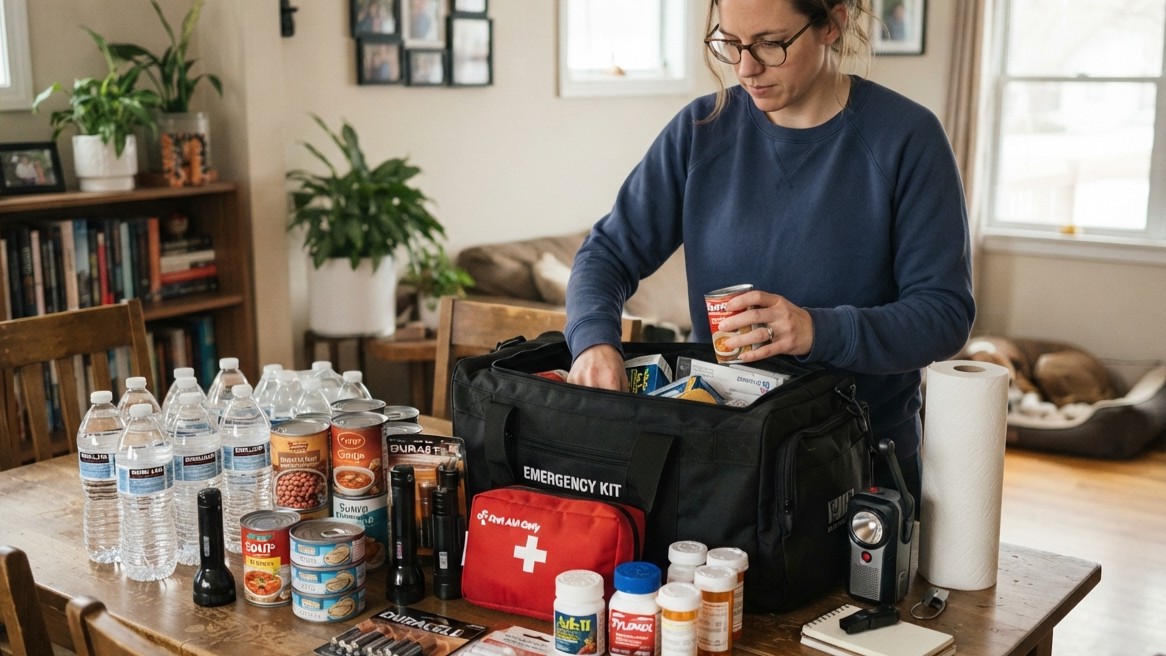
Preparing for the Realities of Climate Change The frequency and intensity of severe weather events are increasing globally due to

The Importance of Proactive Crowd Management Organizing a large public event requires meticulous planning and a deep understanding of crowd

The Rising Threat of Workplace Heat Stress Global temperatures are steadily increasing, creating hazardous conditions for millions of workers. Consequently,

Enhancing Senior Independence with Technology As the population ages, finding effective ways to support elderly individuals living independently has become

Understanding the Impact of Automated Speed Enforcement Road traffic injuries continue to be a leading cause of death globally. However,