
The Importance of Proactive Crowd Management
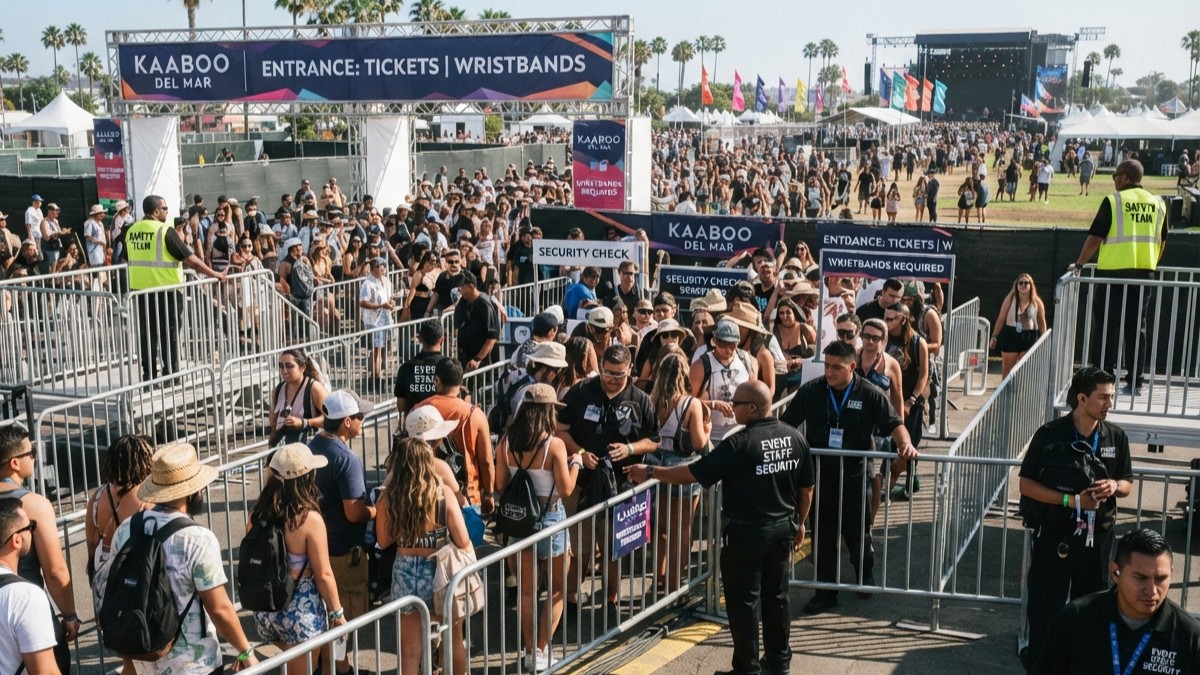
Organizing a large public event requires meticulous planning and a deep understanding of crowd dynamics. Whether it is a music festival, a sporting event, or a community parade, the safety of the attendees must always be the top priority. Consequently, effective event crowd management is essential to prevent overcrowding, stampedes, and other life-threatening incidents.
When thousands of people gather in a confined space, the environment can become unpredictable very quickly. A minor incident can trigger mass panic if proper protocols are not in place. Therefore, event organizers must implement proactive strategies to control the flow of people and maintain a secure atmosphere from the moment the gates open until the last attendee leaves.
Designing a Safe Venue Layout
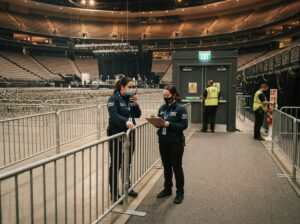
The foundation of good event crowd management begins long before the event starts. Venue design plays a critical role in how a crowd behaves. Planners must ensure that there are adequate entrances and exits to prevent bottlenecks. Wide, clearly marked pathways should guide attendees to different areas, such as restrooms, food vendors, and medical tents.
Additionally, organizers must calculate the venue’s maximum capacity accurately and strictly enforce it. Overcrowding is the primary catalyst for crowd crushes. By dividing large spaces into smaller, manageable zones using barriers and fencing, security personnel can better monitor crowd density and intervene if an area becomes too congested. For more tips on preparing for unexpected venue issues, read our Emergency Preparedness guides.
Utilizing Digital Safety Protocols
In recent years, the integration of digital technology has revolutionized event safety. Modern organizers use real-time data analytics and crowd-monitoring software to track attendee movement. Closed-circuit television (CCTV) cameras equipped with artificial intelligence can detect abnormal crowd surges or identifying restricted access breaches.
Furthermore, digital ticketing systems provide accurate, up-to-the-minute attendance figures. This allows event staff to make informed decisions about deploying additional security or opening secondary exits. The Event Safety Alliance emphasizes that leveraging these digital tools is now a standard requirement for mitigating risks at large-scale gatherings.
Communication and Emergency Response
Clear and effective communication is vital during any public event. Attendees must be informed about safety procedures, emergency exits, and medical locations upon arrival. Public address systems and digital signage should be used throughout the venue to broadcast important messages and guide the crowd if necessary.
Equally important is the communication among the event staff. Security personnel, medical teams, and local law enforcement must have a unified communication channel. This ensures a rapid and coordinated response to any incident. Regular briefings and tabletop exercises before the event help prepare the team for various emergency scenarios.
Managing Crowd Behavior and De-escalation
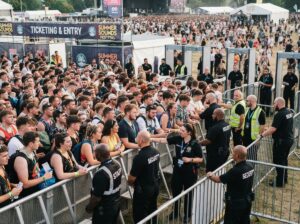
Understanding the psychology of a crowd is crucial for event staff. Security personnel should be trained in de-escalation techniques and crowd psychology. A calm, authoritative presence can often defuse tense situations before they escalate into violence or panic.
Staff should be strategically positioned throughout the venue, not just at the entrances. Roaming teams can identify distressed individuals, monitor crowd mood, and address minor issues swiftly. To explore how human behavior impacts safety in other environments, visit our Road & Transportation Safety section.
Post-Event Evaluation and Continuous Improvement
The responsibility of event organizers does not end when the event concludes. A thorough post-event evaluation is necessary to assess the effectiveness of the crowd management plan. Staff should review incident reports, analyze digital monitoring data, and gather feedback from attendees and local authorities.
This continuous improvement process allows organizers to identify weaknesses and refine their strategies for future events. By learning from each gathering, the event industry can continue to elevate safety standards and ensure that public recreational spaces remain secure and enjoyable for everyone.