
Preparing for the Realities of Climate Change
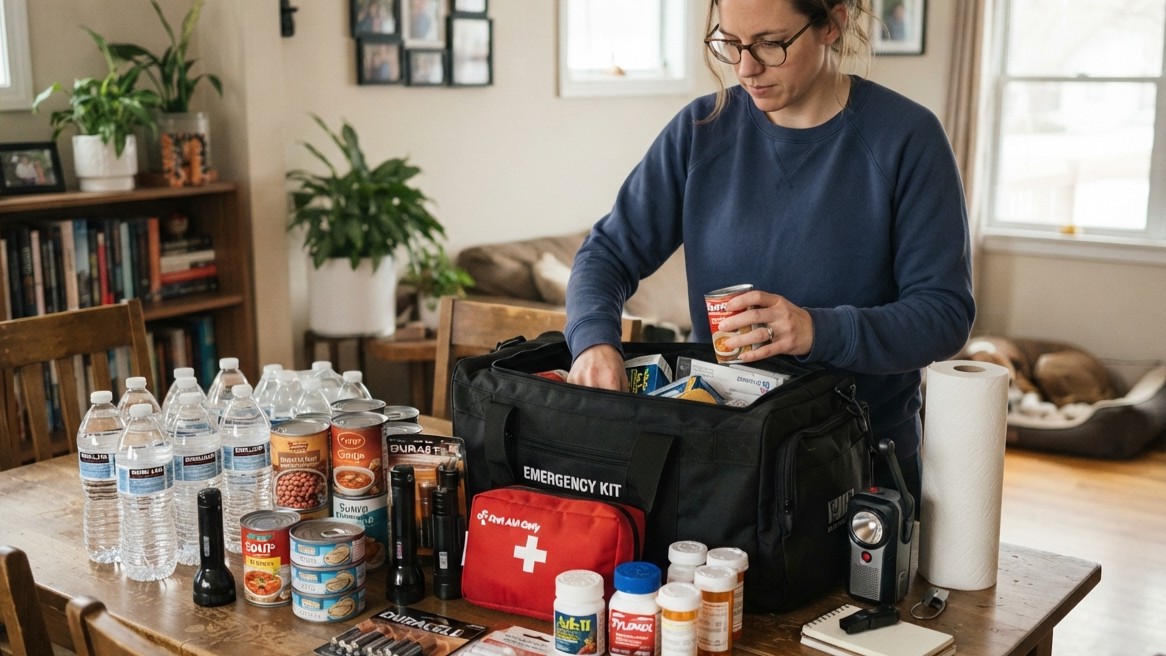
The frequency and intensity of severe weather events are increasing globally due to climate change. Consequently, preparing a comprehensive household emergency kit is no longer just a good idea; it is an absolute necessity. Whether facing hurricanes, wildfires, or unprecedented winter storms, families must be ready to sustain themselves without immediate outside assistance.
During a major disaster, power grids often fail, water supplies can become contaminated, and roads may be impassable. Therefore, having a well-stocked emergency kit ensures that your family has the essential supplies needed to survive these critical first few days. Proactive preparation significantly reduces panic and allows for a calmer, safer response to the crisis.
Essential Components of a Survival Kit
A basic household emergency kit should contain enough supplies to last each family member for at least 72 hours. The most critical item is water. You should store one gallon of water per person per day, to be used for both drinking and sanitation. Additionally, pack a three-day supply of non-perishable, easy-to-prepare food, along with a manual can opener.
Beyond food and water, a comprehensive first aid kit is vital. It should include bandages, antiseptics, pain relievers, and a supply of any necessary prescription medications. Because power outages are common during severe weather, include battery-powered or hand-crank flashlights, extra batteries, and a weather radio to receive emergency broadcasts. For guidance on preventing everyday injuries at home, check our Home & Family Safety articles.
Customizing Your Kit for Specific Hazards
While the basics apply to all emergencies, your kit should be tailored to the specific climate risks in your geographic area. For instance, if you live in a wildfire zone, N95 respirator masks are essential to protect your lungs from smoke and ash. You should also include fire-resistant blankets and goggles.
Conversely, if you reside in an area prone to severe winter storms, extra blankets, warm clothing, and chemical hand warmers are crucial additions. The Federal Emergency Management Agency (FEMA) recommends reviewing and updating your emergency supplies every six months to ensure nothing has expired and that the kit still meets your family’s needs.
Important Documents and Financial Preparedness
Physical survival supplies are critical, but financial and documentary preparedness is equally important during a disaster. You should keep copies of important family documents in a waterproof, portable container. This includes insurance policies, identification (like passports and birth certificates), and bank account records.
Furthermore, electronic payment systems often go down during widespread power outages. Therefore, it is highly recommended to keep a stash of emergency cash in small denominations. Having these documents and funds readily available will significantly expedite the recovery and rebuilding process once the immediate danger has passed.
Planning for Pets and Vulnerable Family Members
When building your household emergency kit, do not forget about your pets. They require their own three-day supply of food and water, as well as a leash, carrier, and a copy of their vaccination records. Many emergency shelters will not accept pets without proof of vaccination.
Additionally, consider the specific needs of infants, the elderly, or family members with disabilities. This might mean packing extra baby formula, diapers, specialized medical equipment, or spare eyeglasses. For more information on preparing for different times of the year, explore our Seasonal Safety resources.
Maintaining and Storing Your Emergency Kit
Once your kit is assembled, proper storage is key. The supplies should be kept in a designated, easily accessible location. Ensure that all family members know exactly where the kit is stored. It is often helpful to pack the items in a durable, easy-to-carry container, such as a large backpack or a rolling duffel bag, in case you need to evacuate quickly.
Make it a habit to check your kit alongside the changing of the clocks for daylight saving time. Replace any expired food, water, or medications. By keeping your household emergency kit up to date, you ensure that your family remains resilient and ready to face the unpredictable challenges of a changing climate.