
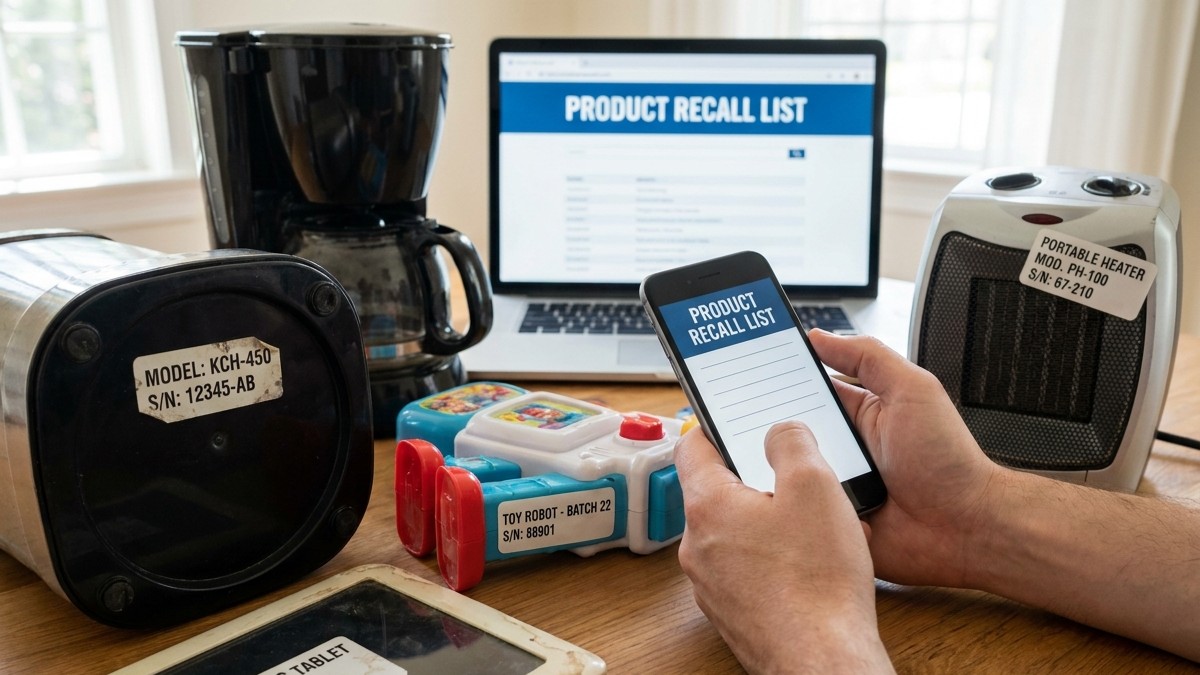
The Importance of Monitoring Product Safety
Every year, thousands of items are pulled from store shelves due to safety concerns. Consequently, staying informed about consumer product recalls is a vital part of maintaining a safe household. From children’s toys with choking hazards to electronics prone to overheating, defective products pose significant risks to consumers. Being proactive about product safety can prevent serious injuries and property damage.
When a product is recalled, it means that the manufacturer or a regulatory agency has determined it violates safety standards. Often, this happens only after several incidents or injuries have been reported. Therefore, consumers must not rely solely on manufacturers to notify them directly. Actively checking recall databases is the best way to ensure the products in your home are safe.

How the Recall Process Works
The product recall process typically begins when a manufacturer receives complaints from consumers regarding a defect. Alternatively, regulatory bodies may discover the issue during routine safety testing. Once a hazard is identified, the company works with the government to issue a public recall notice. This notice details the exact defect, the potential hazards, and the steps consumers should take.
In the United States, the Consumer Product Safety Commission (CPSC) is the primary agency responsible for overseeing these recalls. They maintain a comprehensive, searchable database of all recalled items. Consumers are usually advised to stop using the product immediately and return it for a refund, replacement, or repair. For guidance on preventing accidents with common items, visit our Home & Family Safety section.
Evolving Safety Standards for Smart Devices
As technology advances, so do the safety standards required to regulate it. In 2026, there is a heightened focus on the safety of smart devices and wearables. These products often contain lithium-ion batteries, which have a history of overheating and catching fire if damaged or improperly manufactured. Consequently, new regulations demand stricter testing protocols for battery safety and thermal management.
Furthermore, cybersecurity is now recognized as a critical component of product safety. Smart home devices that lack adequate security can be hacked, potentially compromising a family’s privacy or physical safety. Manufacturers are now required to implement integrated safety controls and automated system behaviors to mitigate these digital risks.
Identifying Hazards in Children’s Products
Children’s products are among the most frequently recalled items. Because infants and toddlers are particularly vulnerable, safety standards for these goods are exceptionally rigorous. Common reasons for recalls include the presence of lead paint, small parts that pose a choking hazard, or structural flaws in cribs and strollers that could lead to falls or entrapment.
Parents should be especially cautious when purchasing second-hand baby gear. While buying used items can save money, these products may have been recalled years ago and never repaired. Always verify the make and model number against the CPSC database before using second-hand equipment for a child.

Taking Action on Recalled Items
If you discover that you own a recalled product, it is crucial to act immediately. Do not attempt to fix the item yourself unless the manufacturer has provided a specific, approved repair kit. Continuing to use a defective product, even if it seems fine, puts you and your family at unnecessary risk.
Follow the instructions provided in the official recall notice carefully. This usually involves contacting the manufacturer via a dedicated phone number or website. By participating in the recall process, you also help regulatory agencies track the effectiveness of the recall and ensure the company is held accountable. To learn more about how data influences these regulations, check out our Safety Data & Research articles.
Building a Safer Consumer Environment
Ultimately, product safety is a shared responsibility between manufacturers, regulators, and consumers. While government agencies set the standards and enforce compliance, consumers must remain vigilant. Registering your new products, especially electronics and appliances, ensures that the manufacturer can contact you directly if a recall is issued.
By staying informed about consumer product recalls and understanding the evolving safety standards, you empower yourself to make safer purchasing decisions. Knowledge is your best defense against the hidden hazards that defective products can bring into your home.