
The Rising Threat of Workplace Heat Stress
Global temperatures are steadily increasing, creating hazardous conditions for millions of workers. Consequently, heat illness prevention has become a critical focus for occupational safety programs. Whether employees are working in agriculture, construction, or unconditioned manufacturing facilities, the risk of heat-related injuries is severe. In fact, thousands of workers suffer from heat stress each year, resulting in lost productivity and, tragically, fatalities.
Heat stress occurs when the body cannot cool itself efficiently. Under normal conditions, the body cools down by sweating. However, in extreme heat or high humidity, sweating is not enough. The body’s internal temperature rises rapidly, leading to conditions such as heat exhaustion and heat stroke. Therefore, employers must proactively implement comprehensive safety protocols to protect their workforce.

Recognizing the Symptoms of Heat-Related Illnesses
Early recognition of heat stress symptoms is vital for effective heat illness prevention. Supervisors and workers alike must be trained to identify the warning signs. Heat exhaustion typically presents with heavy sweating, weakness, dizziness, nausea, and headache. If a worker exhibits these symptoms, they must immediately be moved to a cool area and provided with water.
If heat exhaustion is ignored, it can quickly escalate into heat stroke, which is a life-threatening medical emergency. Symptoms of heat stroke include a high body temperature, confusion, slurred speech, and a lack of sweating. In these instances, emergency medical services must be contacted immediately. You can find more information on handling urgent workplace incidents in our Emergency Preparedness section.
The Role of Acclimatization
One of the most effective strategies for preventing heat illness is acclimatization. This process involves gradually increasing a worker’s exposure to hot conditions over a period of 7 to 14 days. New workers, or those returning from a prolonged absence, are particularly vulnerable to heat stress because their bodies are not used to the environment.
Employers should schedule shorter shifts and provide more frequent breaks during the acclimatization period. According to the Occupational Safety and Health Administration (OSHA), a significant percentage of heat-related fatalities occur during a worker’s first few days on the job. Therefore, a structured acclimatization program is a non-negotiable component of workplace safety.
Implementing Effective Prevention Strategies
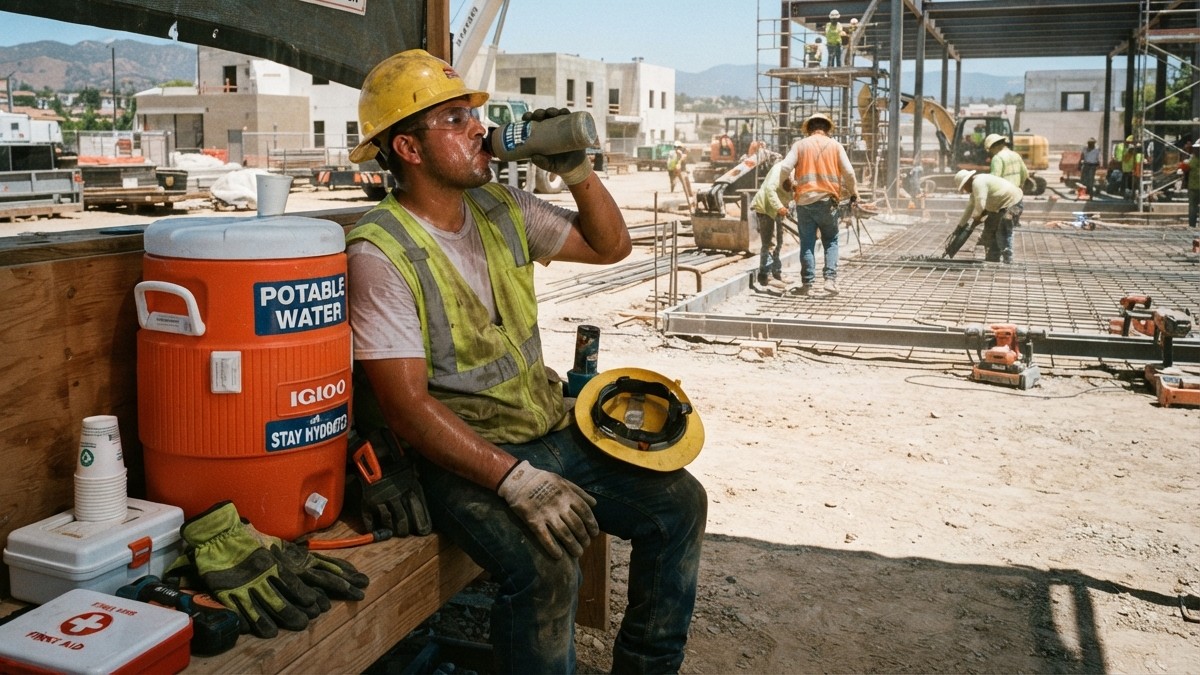
Beyond acclimatization, employers must provide the necessary resources to keep workers safe. The fundamental pillars of heat illness prevention are water, rest, and shade. Workers should be encouraged to drink water frequently, even if they do not feel thirsty. A general guideline is to consume one cup of cool water every 20 minutes.
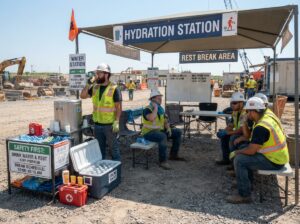
Furthermore, designated shaded or air-conditioned rest areas must be easily accessible. Supervisors should mandate regular cooling breaks, especially during the hottest parts of the day. Whenever possible, heavy physical labor should be scheduled for the early morning or late evening to avoid peak temperatures.
Leveraging Technology for Worker Safety
In 2026, technology is playing an increasingly important role in occupational health. Wearable technology, such as smart vests and biometric wristbands, can monitor a worker’s core temperature and heart rate in real-time. These devices send alerts to both the worker and the supervisor if physiological thresholds are exceeded.
By utilizing these predictive safety tools, companies can intervene before a worker ever experiences the symptoms of heat exhaustion. This proactive approach not only saves lives but also fosters a culture of care and trust within the organization. For insights into how data is shaping these technologies, visit our Safety Data & Research archive.
Creating a Culture of Heat Safety
Ultimately, technology and protocols are only effective when supported by a strong safety culture. Workers must feel comfortable reporting symptoms without fear of retaliation or pressure to meet production quotas. Regular training sessions should reinforce the importance of looking out for one another.
Employers must also stay updated on evolving local and federal regulations regarding heat exposure. By prioritizing heat illness prevention, companies demonstrate their commitment to their most valuable asset — their employees. As climate conditions continue to change, adapting workplace safety standards will remain an essential, ongoing challenge.