
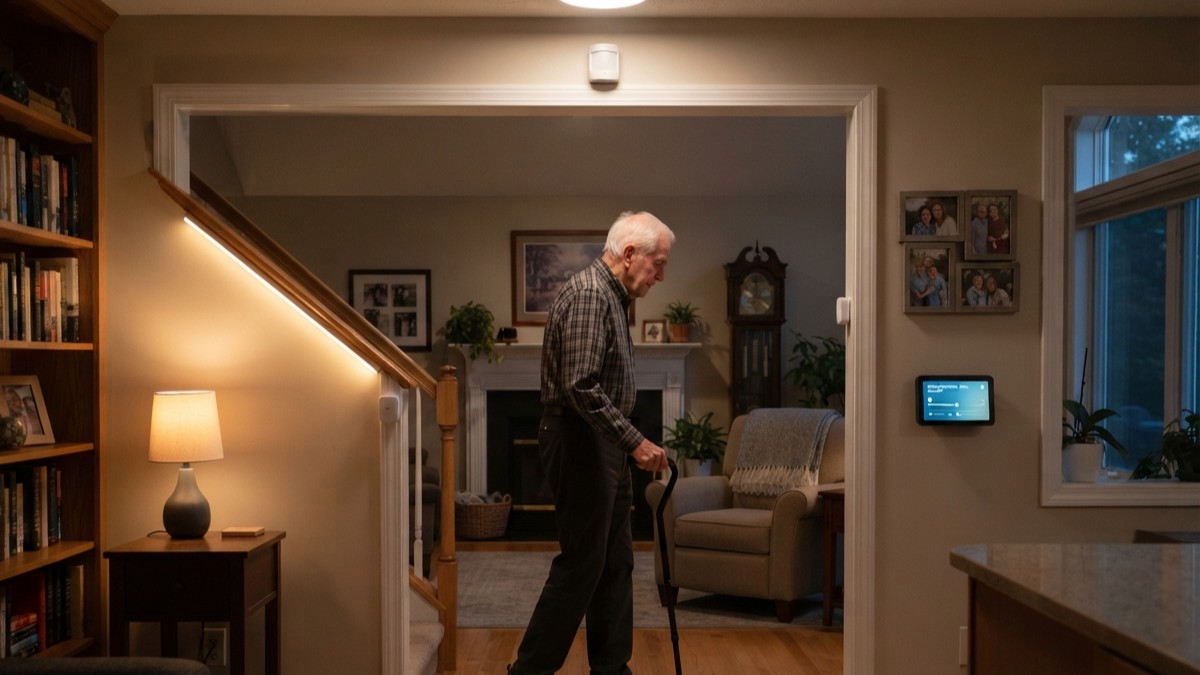
Enhancing Senior Independence with Technology
As the population ages, finding effective ways to support elderly individuals living independently has become a top priority. Consequently, smart home safety devices have emerged as essential tools for modern households. These innovative technologies provide peace of mind for both seniors and their families. By actively monitoring the environment, these systems can detect potential hazards before they lead to serious injuries.
Falls are among the most common and dangerous household accidents for older adults. According to safety experts, the home is where the majority of these preventable incidents occur. Therefore, integrating technology specifically designed for fall prevention is a critical step in creating a secure living space. Modern smart devices offer unobtrusive monitoring that respects the privacy of the individual while ensuring their safety.
The Evolution of Fall Detection Systems
Traditional medical alert systems required the user to press a button during an emergency. However, if a senior falls and loses consciousness, they cannot call for help. To solve this problem, modern smart home safety devices now incorporate automatic fall detection. These advanced wearables and ambient sensors use accelerometers and artificial intelligence to identify the sudden, rapid movements characteristic of a fall.
Once a fall is detected, the system automatically alerts designated caregivers or emergency services. This rapid response is crucial because the time it takes to receive medical attention significantly impacts the recovery outcome. Furthermore, many of these devices are now integrated into everyday items, such as smartwatches and discreet wall-mounted sensors, making them more acceptable to users.
Ambient Monitoring vs. Wearables
When selecting smart home safety devices, families often choose between ambient monitoring systems and wearable technology. Ambient systems utilize motion sensors and cameras placed throughout the home. These devices track daily routines and can alert family members if there is a sudden lack of movement. They are highly effective because the user does not need to remember to put them on.
Conversely, wearables provide continuous protection both inside and outside the home. Modern smartwatches not only detect falls but also monitor vital signs like heart rate and blood oxygen levels. For a comprehensive approach to safety, many families opt to use a combination of both technologies. You can learn more about general household hazard prevention in our Product & Technology Safety section.
Beyond Falls: Medication Management and Voice Assistants
While fall prevention is critical, smart home safety devices offer much more. Medication mismanagement is another significant risk factor for seniors living alone. Fortunately, smart pill dispensers can alleviate this concern. These devices automatically dispense the correct dosage at the prescribed time and send alerts if the medication is not taken.
Additionally, voice-activated assistants have revolutionized how seniors interact with their environment. With simple voice commands, an elderly individual can control the lighting, adjust the thermostat, or lock the doors without needing to navigate stairs or dark hallways. If an emergency occurs, they can simply shout for the voice assistant to call 911 or contact a family member. The Age Safe America initiative highlights that these voice assistants are pivotal for maintaining senior independence in 2026.
Creating a Connected Safety Ecosystem
The true power of these technologies lies in their ability to work together. A connected safety ecosystem integrates fall detection, medication management, and environmental controls into a single, user-friendly platform. For example, if a motion sensor detects that a senior has gotten out of bed in the middle of the night, the smart lighting system can automatically illuminate the path to the bathroom.
This proactive approach significantly reduces the risk of nighttime falls. Families can monitor the status of these integrated systems through smartphone applications, ensuring that their loved ones are safe without being overly intrusive. Setting up these systems requires careful planning, but the long-term benefits are immeasurable.
Preparing for the Future of Elderly Care
As smart home technology continues to advance, we can expect even more sophisticated safety solutions. Future devices will likely incorporate predictive analytics, using artificial intelligence to identify subtle changes in a senior’s gait or routine that may indicate an increased risk of falling. By catching these warning signs early, caregivers can intervene before an accident happens.
Investing in smart home safety devices is an investment in the dignity and well-being of our aging population. It allows seniors to age in place comfortably while providing families with essential peace of mind. For more guidance on preparing your home for unexpected situations, review our resources on Emergency Preparedness.