
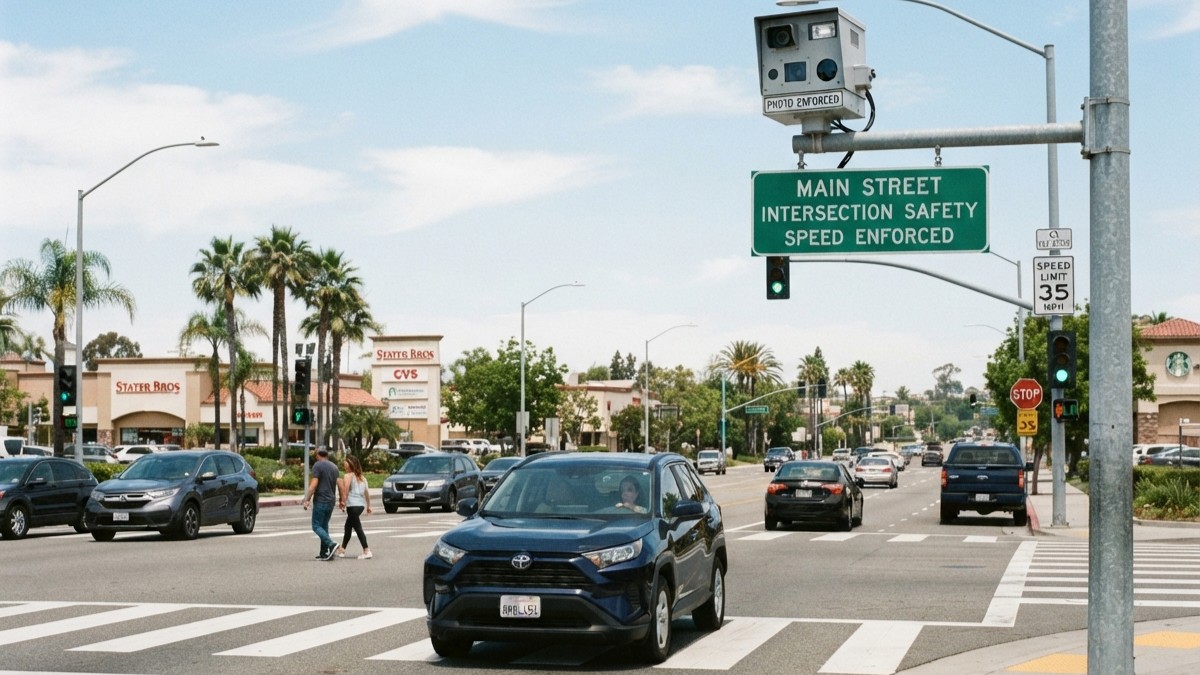
Understanding the Impact of Automated Speed Enforcement
Road traffic injuries continue to be a leading cause of death globally. However, modern technology offers new ways to mitigate these risks. One of the most effective tools available to communities today is automated speed enforcement. By deploying cameras and sensors, municipalities can monitor vehicle speeds consistently. Consequently, this technology helps to deter dangerous driving behaviors before they result in severe accidents.
When drivers know that automated speed enforcement systems are active, they are far more likely to obey posted speed limits. This psychological deterrent is crucial because speed is a major factor in the severity of crashes. According to the World Health Organization, for every 1% increase in mean speed, there is a 4% increase in the fatal crash risk. Therefore, reducing average speeds across a road network can save countless lives each year.
The Mechanics Behind Traffic Safety Cameras
Automated speed enforcement systems operate using advanced radar or laser technology. As a vehicle passes through the enforcement zone, the system measures its speed with high precision. If the vehicle exceeds the legal limit, the camera captures an image of the license plate. Subsequently, a citation is generated and mailed to the registered owner of the vehicle.
This process removes the need for a police officer to be physically present to issue a ticket. Not only does this free up law enforcement resources, but it also ensures that enforcement is objective and consistent. Furthermore, these systems operate 24/7, providing continuous oversight that traditional policing simply cannot match. For more information on how technology is changing safety data, explore our Safety Data & Research category.
Red-Light Cameras vs. Speed Cameras
While often grouped together, red-light cameras and speed cameras serve slightly different purposes. Red-light cameras specifically target drivers who run traffic signals. These systems are typically installed at high-risk intersections. Studies have shown that red-light cameras can lead to a 21 percent reduction in fatal crashes caused by red-light running.
On the other hand, speed cameras are usually placed along stretches of road where speeding is prevalent. Both systems, however, share the same ultimate goal — to modify driver behavior and improve overall public safety. By utilizing both types of cameras, cities can create comprehensive traffic safety networks.
Evaluating the Effectiveness of Automated Systems
Skeptics sometimes argue that automated speed enforcement is merely a revenue-generating tool for local governments. However, extensive data proves otherwise. When implemented correctly, these systems prioritize safety over profit. The primary metric of success for an automated enforcement program is a reduction in citations over time, which indicates that drivers are slowing down.
Moreover, the reduction in severe crashes provides significant economic benefits to the community. Fewer accidents mean lower medical costs, reduced property damage, and less strain on emergency services. The National Highway Traffic Safety Administration strongly supports strategies that target the leading causes of traffic fatalities, including speeding and distraction.
Community Acceptance and Transparency
For automated speed enforcement to be successful, public trust is essential. Municipalities must be transparent about where cameras are placed and how the revenue is utilized. Often, the most successful programs reinvest the funds generated from citations directly back into local traffic safety initiatives. This approach helps to build community support and demonstrates a genuine commitment to saving lives.
Clear signage is another critical component. When drivers are warned that they are entering an automated enforcement zone, they are given the opportunity to correct their behavior. Ultimately, the goal is not to catch people breaking the law, but to prevent them from doing so in the first place.

Future Trends in Traffic Enforcement Technology
As technology continues to evolve, so too will automated speed enforcement. Future systems will likely incorporate artificial intelligence to better analyze traffic patterns and predict high-risk areas. Additionally, integration with smart city infrastructure will allow for dynamic speed limits that adjust based on real-time weather and traffic conditions.
These advancements will make our roads even safer. However, technology alone is not a silver bullet. It must be combined with comprehensive public education and robust infrastructure improvements. By adopting a multi-faceted approach, we can move closer to the goal of zero traffic fatalities.
Integrating Safety Practices into Everyday Driving
While automated speed enforcement plays a vital role in macro-level traffic safety, individual responsibility remains paramount. Every driver has a duty to operate their vehicle safely. Adhering to speed limits, avoiding distractions, and remaining vigilant are essential practices for everyone on the road.
To learn more about protecting yourself and your loved ones in various environments, check out our comprehensive guides on Home & Family Safety. By combining advanced technology with responsible driving habits, we can significantly reduce the devastating impact of traffic accidents in our communities.